Free Tool
RV Solar Calculator
Tick the appliances you run, drag the hours per day, and get a recommended solar panel wattage and 12V battery bank size. No signup, no email, just math.
How do you use your RV?
Presets are starting points, not promises — every RV's usage differs. Tune below.
Your appliances
Tick what you run. Adjust hours per day.
Refrigeration 1/2
Lighting 1/1
Fans & ventilation 1/1
Water 0/1
Electronics & charging 2/4
Kitchen 0/2
Heating & cooling 0/2
Medical / continuous 0/1
Custom appliances 0
System design
Recommended RV solar system
1,250 Wh/day · 5 sun hours · 1-day backup · LiFePO4 (lithium) · 12V
⚠️ Starting surge not verified — confirm motor/compressor starting watts from manufacturer specs before buying.
☀️ Solar array
2 × 200W panels (raw need 391W)
Under your assumptions — not guaranteed
🔋 Battery bank
1,645 Wh nominal
1.0 days of your daily use at 80% DoD
⚡ Inverter & controller
From 60W simultaneous load + 25% headroom
Raw 41.7A (400W ÷ 12V × 1.25). Verify panel Voc/Isc against the controller's limits.
📋 Your plan, step by step
- Your loads use ~1,250 Wh per day — biggest: 12V fridge.
- Solar: ~400W of panels (2 × 200W) replaces that energy in 5 sun hours.
- Batteries: ~140 Ah at 12V (LiFePO4 (lithium)) covers 1 day without sun.
- Electronics: ~1,000W inverter, ~50A MPPT controller.
- Before buying: confirm panel Voc vs controller max input, battery charge settings, and wire/fuse sizing with manufacturer docs.
How we calculate · sources
- NREL PVWatts — solar production modelling and real-world loss factors
- NREL solar research — photovoltaic technical resources
- Battery usable capacity, charging and temperature limits: follow your battery manufacturer's documentation
- Inverter surge and controller voltage/current limits: follow the equipment manufacturer's manuals
Planning estimates only — not a certified electrical design. Losses applied once via system efficiency; battery path efficiency 0.95 applied once.
What the numbers don't cover
- Startup surge: microwaves and air conditioners draw 2-3x their running watts for a few seconds at startup. Size your inverter for surge, not just the average.
- Shading: even partial shade on one panel can cut a whole string's output dramatically. The 25% margin helps but isn't a substitute for good placement.
- Season: 5 peak sun hours is a fair US average. Winter or northern latitudes may give you 2-3; desert summer can give 6+.
- Lead-acid batteries: only about 50% of rated capacity is usable without damage. Double the Ah figure if you're not on lithium.
Next steps
Got your numbers? These guides take you from planning to buying to installing.
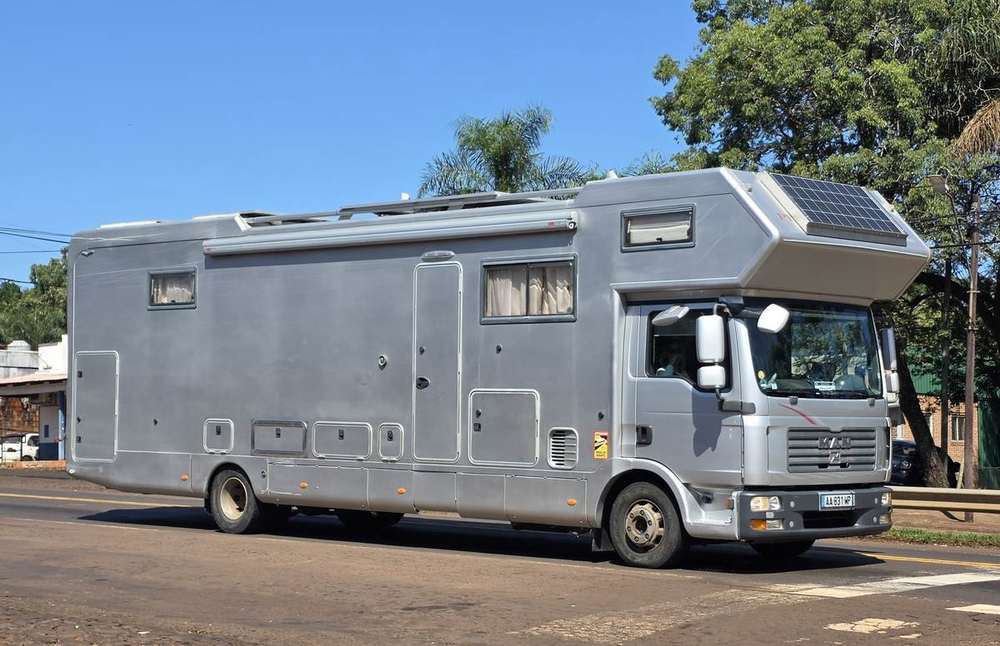
Best 600W RV Solar Panels & Kits (2026)
600 watts is the sweet spot for serious RV solar. We compared the top 600W panels and kits on verified specs and controller quality.
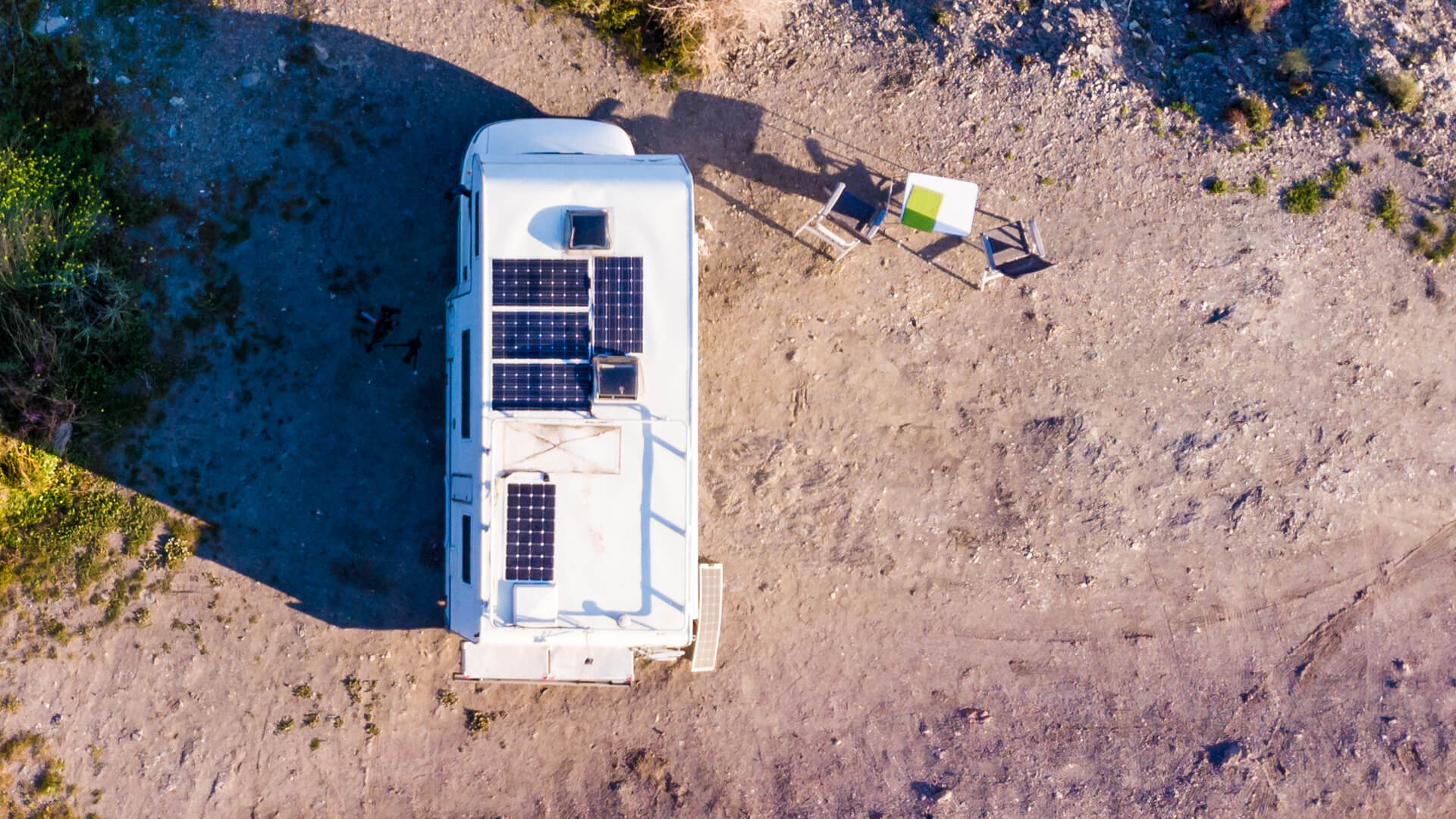
Best 1000W Solar Panel Kits for RV (2026)
1000 watts is where RV solar gets serious. We compared 6 kits on controller sizing, panel layout, and kit completeness for full-time off-grid power.
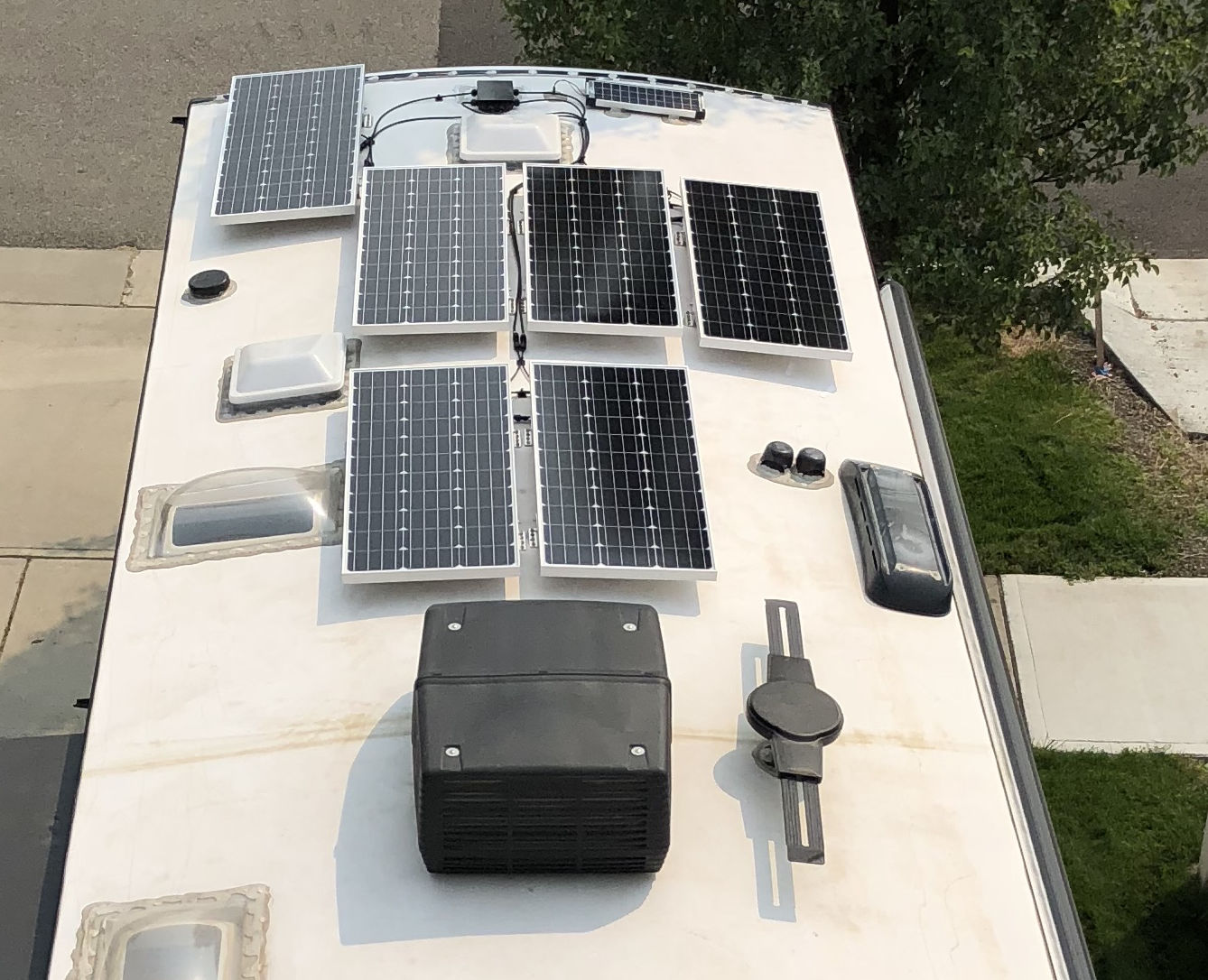
How to Mount Solar Panels on an RV Roof (2026 Guide)
Z-brackets vs adhesive, sealants that work, cable routing, and the mistakes that cause leaks. A complete mounting guide for RV roofs.
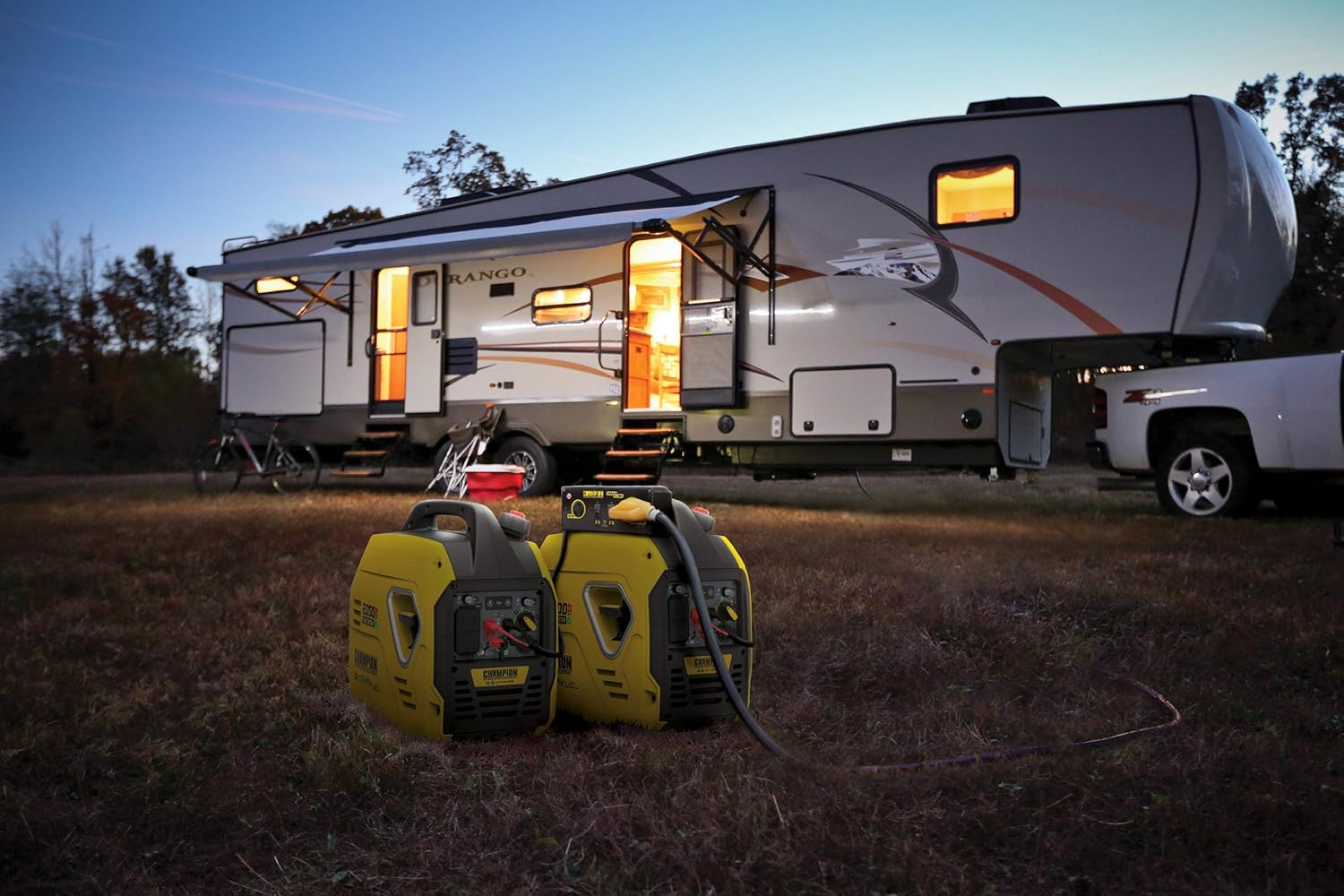
Best Quiet Generators for RV (2026)
The quietest verified RV generators compared on real noise ratings, running watts, and RV outlet compatibility. 12 picks from 39 to 105 lbs.